The study, in short.
Researchers at the University of Bonn ran a randomised controlled trial with 68 adults who had metabolic syndrome – the combination of excess weight, high blood pressure, raised blood sugar and unhealthy blood fats. The results were published in Nature Communications in February 2026.
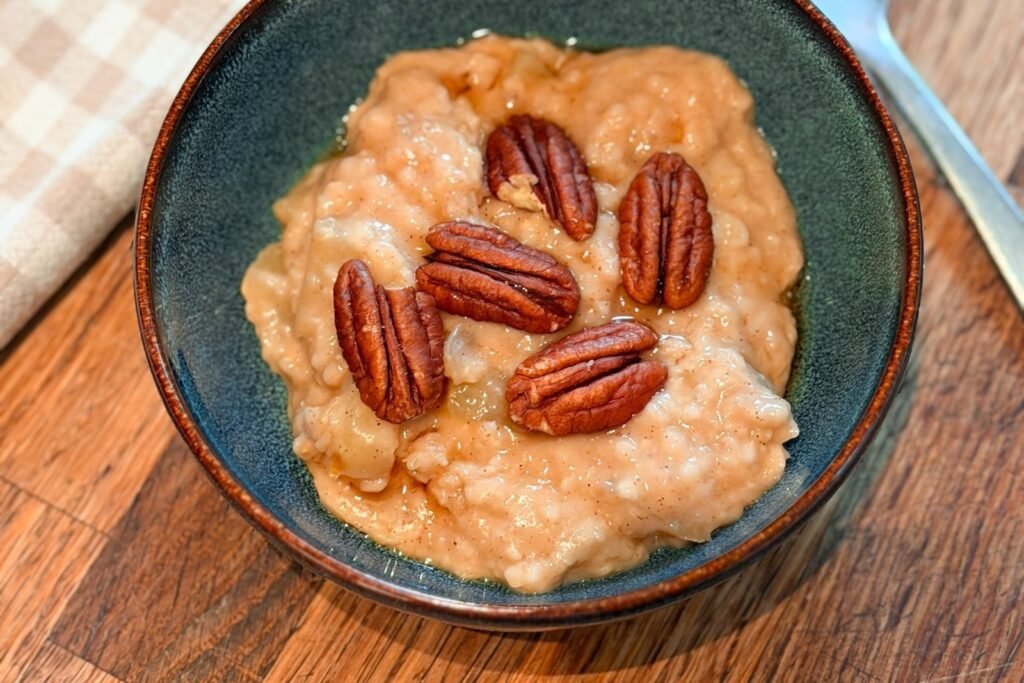
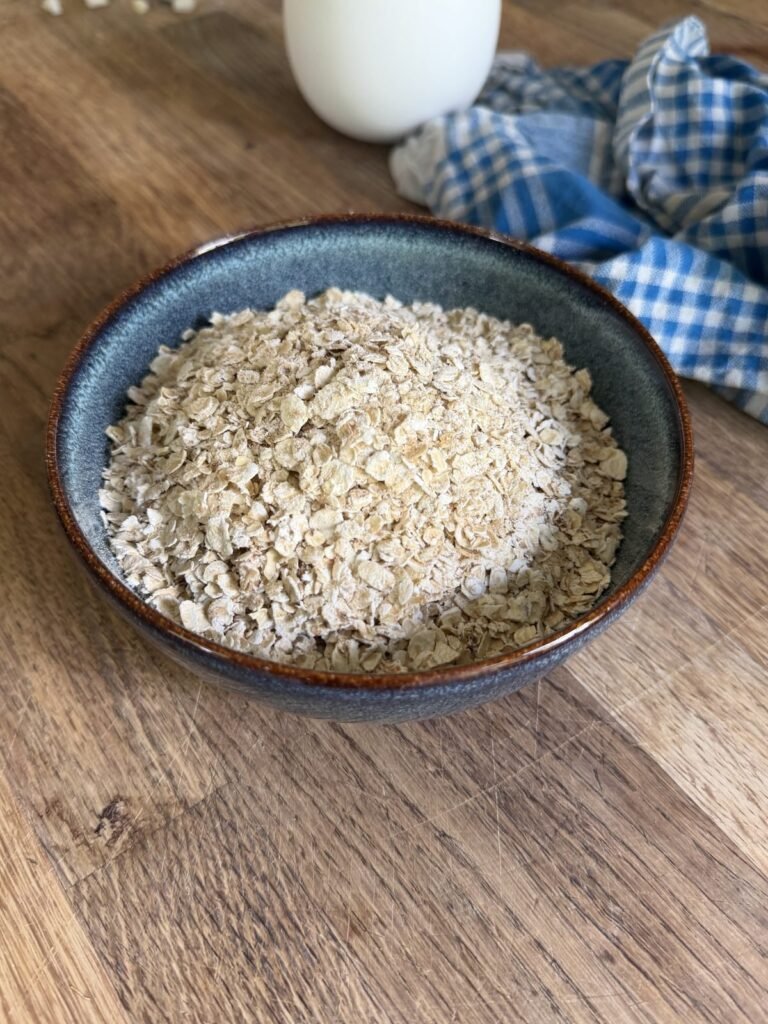
One group ate an intensive oat diet for just two days: 300 g of oats a day, boiled in water, split over three meals, with fruit or vegetables as the only extras. It was also a low-calorie diet – roughly half of normal intake. A second group simply added 80 g of oats a day to their usual food for six weeks, with no other changes.
What happened.
After the two oat days, LDL cholesterol – the kind linked to heart disease – had dropped by about 10% on average. Participants lost around 2 kg, blood pressure came down slightly, and their gut bacteria had shifted. The surprising part: when the researchers checked again six weeks later, the lower cholesterol had held.
The gentler approach did much less. Eating 80 g of oats a day for six weeks, without cutting anything else, had only a minimal effect. Two concentrated days beat six moderate weeks.
Why oats work.
Oats are rich in soluble fibre – beta-glucan – along with vitamins, minerals and polyphenols. The Bonn team showed something more specific: when gut bacteria break oats down, they produce phenolic compounds, above all ferulic acid. The people whose ferulic acid rose the most were the ones whose cholesterol fell the most. As researcher Linda Klümpen put it, they were able to show that intestinal bacteria produce these compounds by breaking down the oats.
Before you clear the shelf.
It is a small study – 17 people per group – and everyone in it had metabolic syndrome, so nobody knows yet whether healthy people would see the same drop. The two oat days also came with a steep calorie cut, and the researchers are open that the strong effect came from that combination. The reduction is real but modest: not comparable to cholesterol medication, and no reason to change one. And participants obviously knew what they were eating, so the trial could not be blinded.
Lead researcher Marie-Christine Simon suggested that a short oat-based diet repeated at regular intervals – every six weeks or so – could be a well-tolerated way to keep cholesterol in range. That still needs confirming in longer studies.
What we take from it.
Plain oats, cooked in water, are one of the cheapest and best-studied things you can put in a bowl. You do not need a 300 g-a-day regime to benefit from them. A proper bowl of porridge most mornings, made from ordinary rolled oats rather than sweetened instant sachets, gives you the fibre this study is built on. If you want to try the two-day version, treat it as what it was in the trial: two days, oats and water, fruit or vegetables on top, nothing else – and talk to a doctor first if you are on medication.
Sources.
- Eating oats could lower your cholesterol in just two days, study suggests – BBC Science Focus
- What happens to your cholesterol when you eat oatmeal for 2 days in a row – Verywell Health
- Two days of oatmeal reduce cholesterol level – University of Bonn press release
- Cholesterol-lowering effects of oats induced by microbially produced phenolic metabolites in metabolic syndrome – Nature Communications, the original paper